Previous

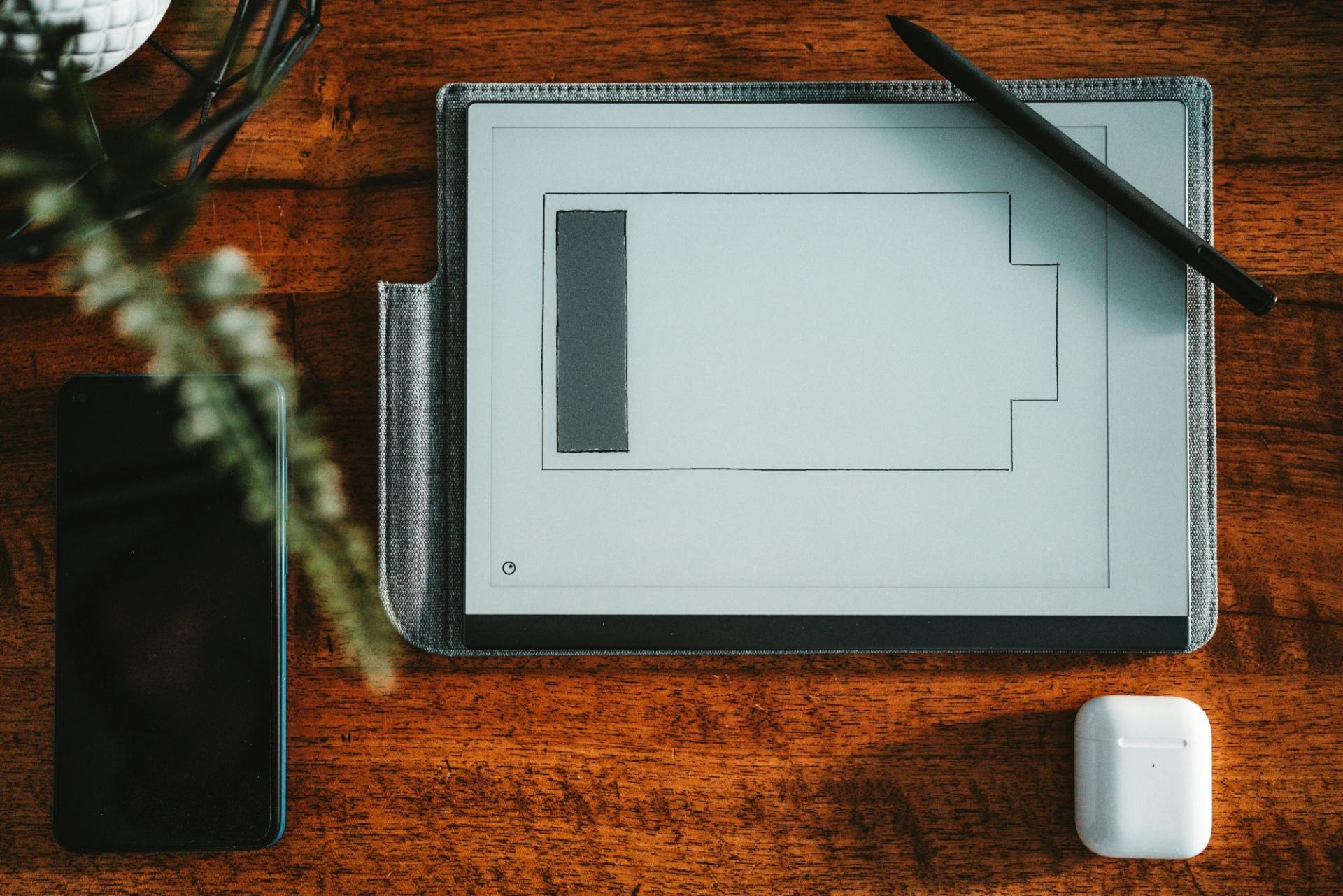
Notice what happens the moment you have nothing to do. You are standing in line at the checkout, or sitting on the train with nowhere to be. Almost automatically your hand goes to your phone, and before you have even noticed, you are scrolling. That small reflex has become so ordinary that we barely register how often we perform it. And with it, boredom, which used to be simply part of life, has all but vanished from our days.
We have come to see boredom as something that needs to be solved. As a sign that something is wrong, or that we are not using our time well. But that picture doesn't match what researchers know about it. The British psychologist Sandi Mann, who wrote a book on the subject, describes boredom as the state in which you are looking for stimulation but can't find it in your surroundings for a moment. And it is precisely that state that turns out to be surprisingly useful.
In a well-known experiment, Mann and Rebekah Cadman had one group do something thoroughly dull, such as copying numbers out of a phone book, before giving them a creative task. That group went on to come up with more ideas, and more original ones, than the group that was allowed to start straight away. A follow-up study found that even more passive boredom, such as only reading the phone book, made the effect stronger still. The explanation lies in what happens to your thoughts when you are bored. Your mind starts to wander, and while it wanders it makes connections that focused attention would never produce. Boredom is not wasted time. It is the very condition under which your brain settles and fresh ideas appear.
That still doesn't explain why it is so hard to let yourself be bored. For that we need to look at dopamine. In her book Dopamine Kids, science journalist Michaeleen Doucleff describes how we have misunderstood that chemical for years. Dopamine is not, as is often thought, the molecule of happiness or pleasure. It is the molecule of wanting. It drives you to look for something and to reach for the next thing, without actually giving you any satisfaction. Your phone and ultra-processed food are designed precisely to keep stoking that urge. Every notification and every new clip gives a small spike of wanting, followed by the need for more.
The treacherous part is that this wanting is not the same as enjoying. Doucleff describes how children, and adults just as much, can sit behind a screen for hours or empty a bag of snacks without really enjoying it. They are mostly busy with what comes next. When boredom arrives, that faint discomfort of having nothing to do, we reach for the quickest way to make it disappear. The screen promises relief and delivers it too, but only in the form of yet another stimulus. The restlessness is not resolved, it is fed. And in the meantime we miss exactly the quiet, wandering space in which boredom proves its worth.
The answer is not to put your phone away for the whole summer. It already helps to stop filling every small gap in your day right away. Let your hand stay out of your pocket for once while you are waiting. Go for a walk without earbuds, or do something that needs only half your attention, such as swimming laps or working in the garden. The discomfort that comes up is part of it. It is not a sign that something is wrong, but the moment just before your thoughts begin to wander.
At first boredom feels like something you ought to get rid of. But it is more of a space you can allow yourself. In a summer full of stimulation and screens, a little boredom may be the most refreshing thing you can give yourself. It is in those quiet, unfilled moments that your mind arrives at things no notification could ever bring you to.