Previous

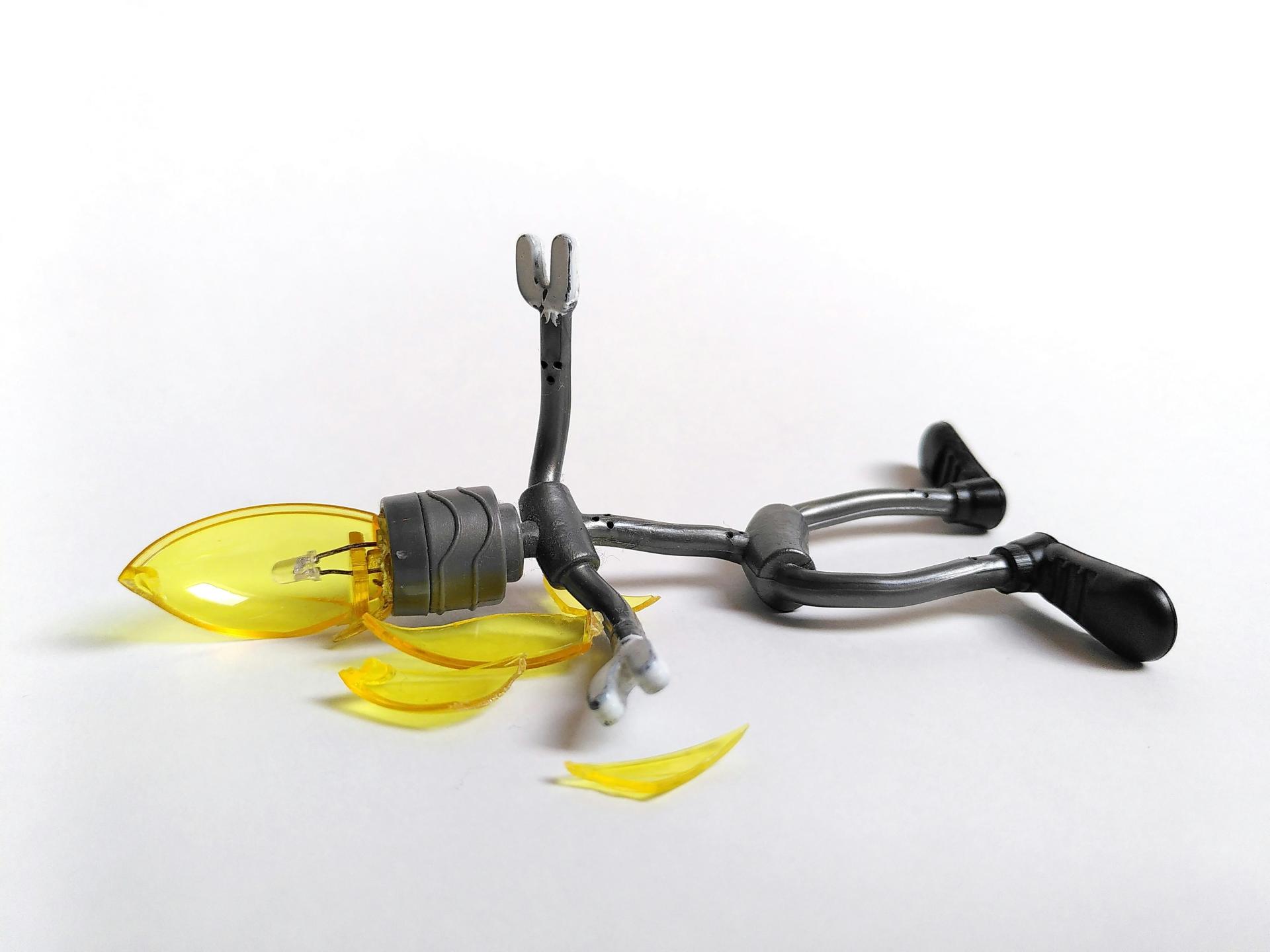
When you say 'highly sensitive,' you almost automatically say 'overstimulated.' The advice is often quick to follow: withdraw for a bit, put on those noise-canceling headphones, and above all, make your life as low-stimulus as possible. But what if constantly escaping into that low-stimulus bubble is actually just exhausting you more?
Hidden beneath all that well-intentioned advice is a persistent assumption: the world is simply 'too much' and being an HSP (Highly Sensitive Person) is primarily a vulnerability. We turn it into a kind of battery that drains faster than others, and which we therefore have to protect non-stop. But if you look at it from a scientific perspective, that is really an oversimplification.
Within psychology (take the theory of Vantage Sensitivity, for example), we see a completely different story. Being more sensitive doesn't mean you break down faster at all. It simply means your nervous system reacts much more strongly to your environment.
It is true: in a toxic or chaotic work environment, you will reach your limit faster. But don't forget the flip side! Put that same brain in a stimulating, positive environment, and you will thrive and often perform better than average. Your goal as an HSP is therefore not to seek out minimal stimuli, but optimal stimuli.
The tricky thing is that many of those popular online HSP tests don't actually measure innate personality traits at all. They primarily measure how much stress you are currently experiencing, or check if you are on the verge of burnout. Which makes sense, because you generally only take a test like that when you've already hit a wall. As a result, we've accidentally started confusing the symptoms of chronic overload with the trait of high sensitivity.
So let's stop treating high sensitivity as a condition you constantly need to defend yourself against. Instead, compare your nervous system to a Formula 1 car. If you take it tearing down a bumpy dirt road, it's guaranteed to rattle itself apart. But does that make the car weak? No. It's just extremely finely tuned for a very specific, super-smooth track. And on that track, it effortlessly overtakes everyone else.
In my practice, I see this go wrong so often. A highly sensitive professional, out of pure self-protection, is put in a quiet, isolated room with predictable work. According to the 'low-stimulus' ideal, that person should completely flourish there.
The reality is often quite different. The person slowly wastes away in a bore-out or depression. Not because there were too many stimuli, but precisely because there was a lack of the right, meaningful stimuli. Think of complex problems, a bit of intellectual challenge, and perhaps the most important of all: genuine connection. Ultimately, the silence did far more damage than the noise.
The greatest shift you can make in your personal development is to stop asking: "How do I protect myself from stimuli?" The question you actually need to ask yourself is: "How do I design my own race track?"